
The grid is not as reliable as most people assume. Across the United States, power outages have increased in both frequency and duration over the past decade, driven by aging infrastructure, extreme weather events, and demand growth that outpaces grid modernization. For tribal governments, healthcare facilities, casinos, and commercial developers, that trend makes reliable backup power solutions not just a preparation measure but a fundamental operational requirement.
What Separates Adequate Backup Power from True Operational Resilience
There is a meaningful difference between having some backup power capability and having backup power solutions that actually protect operations through a real outage event. The difference comes down to three things: proper sizing, correct transfer switch configuration, and adequate runtime capacity. Many facilities fall short on at least one of these dimensions, which is precisely why they discover the gaps in their system during an actual event rather than during planning.
Proper sizing means the backup system can support the full operational load of the facility, not just a subset of critical systems. Correct transfer switch configuration means the transition from grid power to backup power happens safely, automatically, and within the time window that the facility’s systems can tolerate. Adequate runtime means the system can sustain operations for as long as the outage is likely to last, with fuel availability to match.
Facilities That Depend Most on Reliable Backup Power Solutions
- Tribal emergency management centers: Must remain operational during the exact events that cause grid outages
- Tribal casinos: Revenue loss from outages is immediate and substantial; gaming system continuity is essential
- Healthcare facilities on tribal lands: Patient safety systems cannot tolerate power interruption of any duration
- Commercial manufacturing plants: Production line shutdowns during outages create cascading costs and schedule impacts
- Data and communications infrastructure: Continuous power is required to maintain connectivity during emergency events
Electrical Distribution: The Foundation That Backup Power Depends On
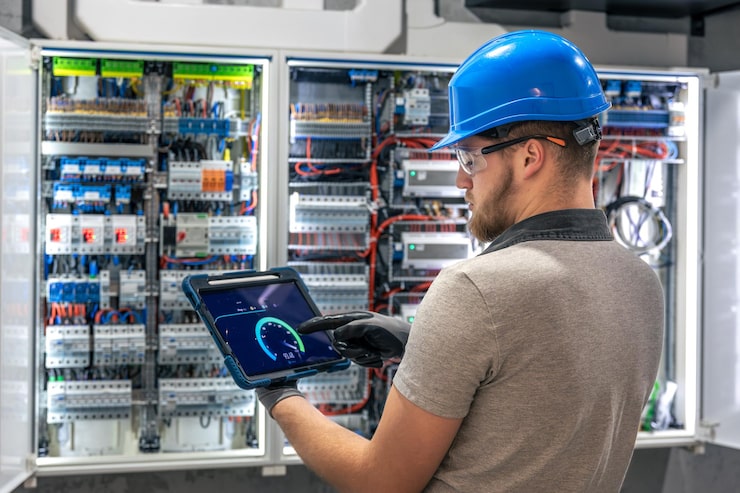
Backup power solutions only function as well as the electrical distribution infrastructure they connect to. A properly sized standby generator with a well-configured automatic transfer switch can still deliver poor results if the building’s electrical distribution system has aging equipment, undersized conductors, or coordination issues that cause nuisance tripping during load transitions. Understanding the complete picture — from the generator through the transfer switch and throughout the distribution system — is what separates a truly resilient power plan from one that looks good on paper.
Electrical distribution equipment — including switchgear, distribution panels, and branch circuit protection — must be rated for and coordinated with the backup power system. When facilities upgrade their standby generation capability without simultaneously evaluating the condition of their distribution infrastructure, they often discover problems that prevent the backup system from performing as expected.
Electrical Distribution Considerations for Backup Power Integration
- Transfer switch compatibility: Automatic transfer switches must be properly rated for the connected load and compatible with the generator control system
- Essential versus non-essential loads: Backup systems typically serve designated essential circuits; the distribution design must clearly separate these
- Protection coordination: Distribution system protection must be coordinated to prevent a fault on one branch from affecting the entire backup-powered system
- Equipment condition: Aging switchgear or distribution panels may need replacement before reliable backup power integration is possible
- Future capacity: Distribution infrastructure should be sized for anticipated future loads, not just current demand
How Catawba Power and Lighting Approaches Backup Power Projects
Catawba Power and Lighting serves as a strategic infrastructure partner for tribal governments, healthcare facilities, casinos, and commercial developers planning or upgrading backup power infrastructure. The company sources commercial generator systems and electrical distribution equipment through strategic manufacturer relationships that provide competitive pricing and reliable lead times.
As a Native American-owned distribution company, Catawba brings tribal preference procurement advantages to these projects. For tribal governments investing in emergency infrastructure, that means sourcing specification-grade equipment from a certified diversity supplier — satisfying both operational requirements and procurement compliance in a single partnership. The company’s mission to deliver reliable power solutions while strengthening Native economies aligns directly with the long-term infrastructure goals of the tribal nations it serves.
Conclusion
Reliable backup power solutions are not an optional upgrade — they are a mission-critical infrastructure commitment for any organization that cannot afford operational downtime. When paired with properly specified and maintained electrical distribution infrastructure, these systems provide the resilience that tribal governments, healthcare facilities, casinos, and commercial operations genuinely depend on. Catawba Power and Lighting brings the technical expertise, product access, and Native procurement advantages to make that infrastructure investment successful.