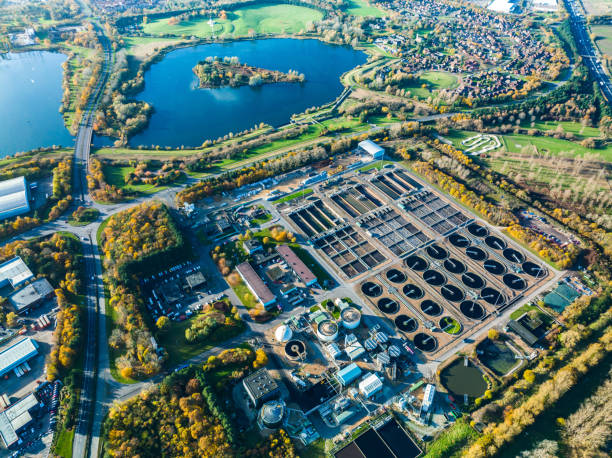
Water is one of the most valuable resources on Earth, yet it is often taken for granted. Growing populations, rapid urbanization, industrial expansion, and climate uncertainties are placing immense pressure on freshwater supplies worldwide. As communities face increasing water scarcity and environmental challenges, finding smarter ways to use and protect water has become essential.
Sustainable water management offers a practical pathway toward balancing human needs with environmental protection. It focuses on using water efficiently, reducing waste, preserving ecosystems, and ensuring that future generations have access to clean and reliable water resources. By adopting thoughtful strategies today, societies can create a more resilient and water-secure future.
Why Is Sustainable Water Management More Important Than Ever?
Sustainable water management is the practice of planning, developing, distributing, and using water resources responsibly. The goal is to meet current water demands without compromising the ability of future generations to meet theirs.
Several global trends have increased the urgency of responsible water management:
- Rising demand for freshwater combined with shrinking natural water reserves is creating significant challenges for communities and industries.
Without effective management, water shortages can affect agriculture, public health, energy production, and economic development. Sustainable approaches help reduce these risks while supporting long-term environmental stability.
The Connection Between Water and Economic Growth
Water plays a vital role in nearly every sector of the economy. Manufacturing facilities require water for production processes, farmers depend on irrigation systems, and cities need reliable supplies for households and businesses.
When water resources are managed efficiently, communities experience greater economic stability. Businesses can operate more effectively, agricultural productivity improves, and governments spend less on emergency water solutions.
For example, many cities have implemented water recycling programs that reduce dependence on freshwater sources while lowering infrastructure costs over time.
Sustainable Water Management Strategies That Make a Difference
Modern water challenges require innovative solutions. Governments, organizations, and individuals can contribute through various strategies.
How Sustainable Water Management Improves Resource Efficiency
One of the most effective approaches involves improving water efficiency across different sectors. Technologies such as smart irrigation systems, leak detection sensors, and water-efficient appliances help reduce unnecessary consumption.
Consider these examples:
- Drip irrigation systems deliver water directly to plant roots, significantly reducing evaporation and water loss compared to traditional irrigation methods.
Rainwater harvesting is another valuable solution. Collected rainwater can be used for landscaping, cleaning, and certain agricultural applications, reducing pressure on municipal water systems.
Wastewater treatment and reuse programs are also gaining popularity. Instead of discarding used water, advanced treatment technologies allow it to be safely reused for industrial processes, irrigation, and environmental restoration projects.
Real-World Examples of Effective Water Management
Many regions around the world have demonstrated the benefits of sustainable water practices.
Singapore’s Water Innovation Model
Singapore has become a global leader in water sustainability. Through advanced recycling technologies, desalination facilities, and public conservation campaigns, the country has significantly improved its water security despite having limited natural freshwater resources.
Australia’s Drought Management Success
Australia has implemented strict conservation policies and efficient irrigation methods to address recurring drought conditions. These initiatives have helped farmers maintain productivity while using less water.
Community-Based Conservation Programs
Local communities are also making a difference. Watershed protection projects, wetland restoration efforts, and educational campaigns encourage residents to participate in preserving local water resources.
Pro Tip for Long-Term Water Sustainability
Pro Tip: Small changes create meaningful results. Regularly checking for household leaks, installing water-efficient fixtures, and using native plants in landscaping can reduce water consumption significantly over time while lowering utility costs.
What Role Can Individuals Play in Water Conservation?
Many people assume that water management is solely the responsibility of governments and large organizations. However, individual actions have a powerful collective impact.
Simple habits such as turning off taps when not in use, collecting rainwater for gardening, and choosing water-efficient appliances can contribute to substantial conservation efforts. Educating family members and supporting local sustainability initiatives can further strengthen community-wide water stewardship.
Conclusion
Water is the foundation of healthy communities, thriving economies, and balanced ecosystems. As demand continues to grow, responsible resource management becomes increasingly important. Sustainable water management provides practical solutions that protect water supplies, improve efficiency, and support environmental resilience.
By combining innovative technologies, responsible policies, and everyday conservation efforts, societies can create a future where clean water remains available for generations to come. Investing in smarter water practices today is one of the most effective ways to secure a sustainable tomorrow.