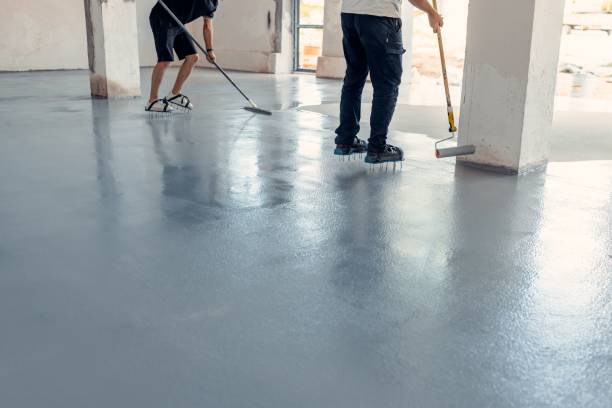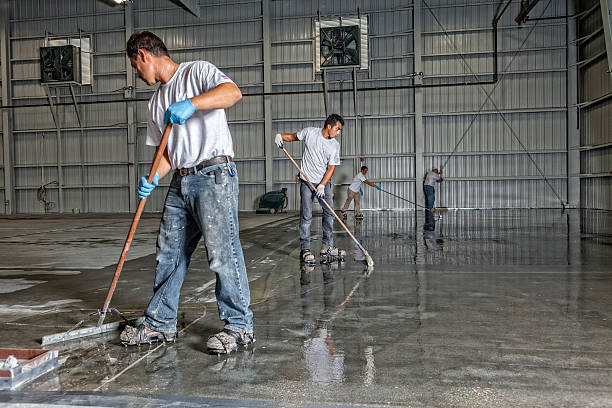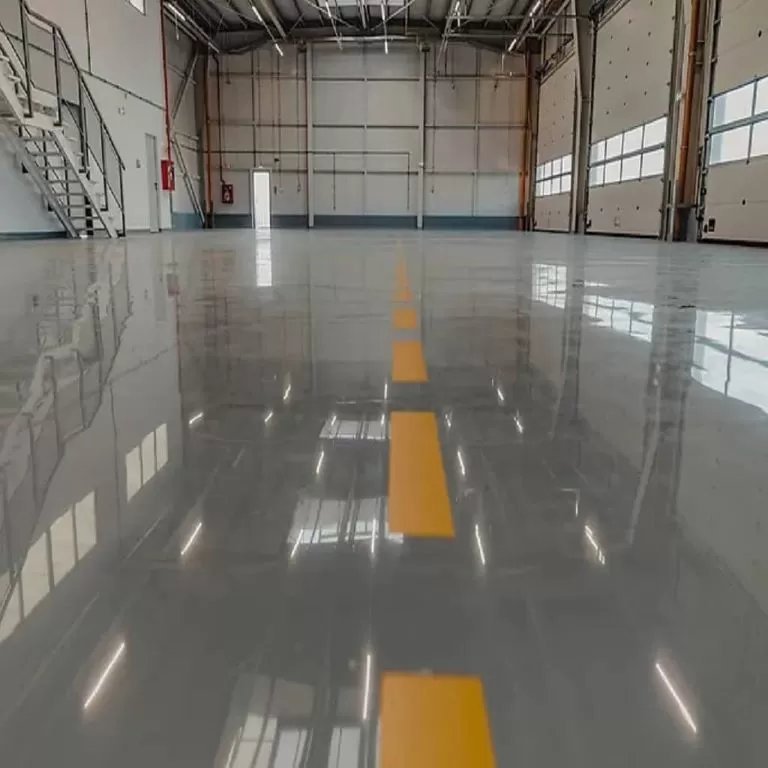
Friday afternoon, the shipping dock is slammed, and somebody drops a loaded pallet corner first. Everybody winces. Then you look at the floor, and the question is whether it chips or shrugs. A warehouse floor lives a hard life, and most owners only think about it after something breaks. Not a great time to start researching.
For a facility like that, epoxy flooring contractors who understand heavy traffic are worth the search. HPS Floors has been at it since 1988 from Green Brook, NJ, and it builds systems for warehouses, heavy manufacturing, logistics hubs and automotive facilities. Here’s what that kind of floor is supposed to do.
Industrial Epoxy and Resinous Coatings
The industrial system described on the HPS Floors page is a high solids, multi coat build. It’s made to handle extreme forklift traffic, impact and chemical exposure. In plain words, it’s thick, layered and meant for rough use, not the thin sort of coating you’d put on a garage.
That description lines up with the kinds of buildings it’s aimed at. Warehouses, plants, logistics hubs, automotive shops. Different businesses, same problem: wheels, weight and spills every single day. A floor that can’t take that becomes a repair bill that never ends.
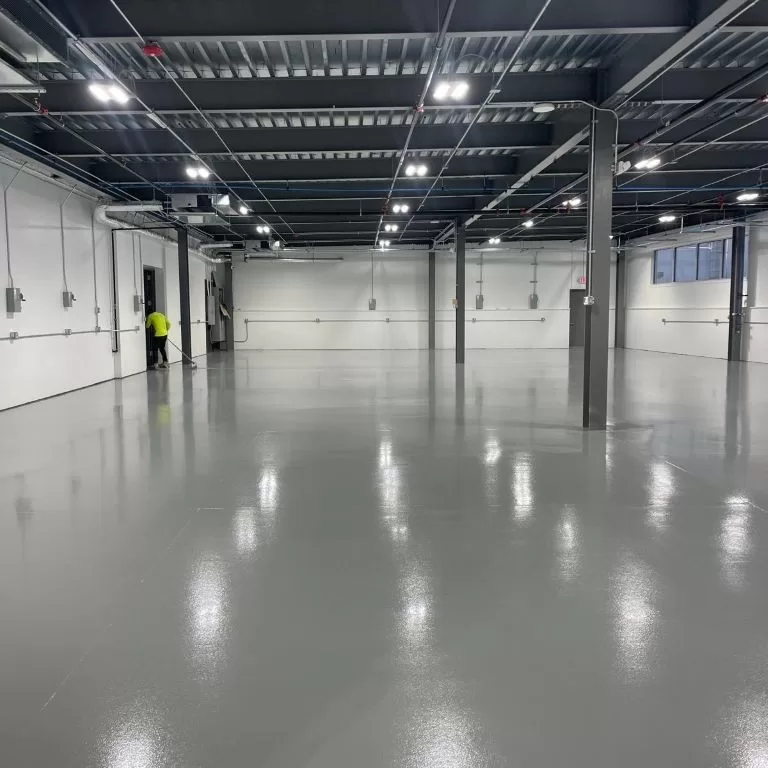
Warehouse Resurfacing in Middlesex County
HPS Floors mentions warehouse floor resurfacing right in Middlesex County, along with much larger multi state rollouts. So the crew isn’t limited to small jobs. If you’ve got an aging concrete floor that’s chipped near the dock doors, resurfacing may be the practical route, and it’s worth asking about.
Prep Is Where Forklift Floors Win or Lose
Heavy wheels find weak spots fast. That’s why HPS Floors puts so much weight on shot blasting or diamond grinding to hit the right CSP before anything goes down. A permanent mechanical bond is what keeps the coating from peeling under turning forklift tires.
Moisture matters here too. The company runs moisture testing before it coats, since trapped moisture can push a finished floor apart from underneath. Nobody sees that until months later. Testing first means you aren’t finding out the hard way while the dock is full of freight.
Matching the Coating to the Building
HPS Floors designs coatings around each floor’s traffic, chemical exposure and moisture needs before the first coat goes down. A cold storage dock and a parts plant don’t need the same recipe. Tell the crew how the building really runs, mess and all, so they can choose properly.
One Quick Reality Check
If a epoxy flooring contractor can’t explain how its floor handles pallets and wheels, keep looking. Ask for photos of similar jobs. Seeing a finished warehouse floor from another client tells you more than a brochure.
Keeping Downtime Short
Warehouses can’t just stop. HPS Floors points to turnkey service, from precise diamond grinding to the final topcoat, to keep downtime minimal. That matters when trucks are scheduled and orders are waiting. Talk through your timing before the work begins so nothing surprises anyone.
It also helps that the crews are direct employees, not a chain of subcontractors. Fewer handoffs usually mean fewer mix ups. If a supervisor knows your schedule, the work fits around it a little better, which is exactly what a busy facility needs.
Conclusion
A forklift floor should be tough, well prepped and matched to your operation. Thick multi coat systems, careful grinding or blasting, and moisture testing do the heavy lifting here. Ask about all three, and pay attention to how comfortable the answers sound.