There’s more to a rice dispenser than a container with a lid. The features built into a well-designed dispenser determine whether it becomes something you rely on daily or something you stop using after a few weeks. Understanding what makes certain dispensers work better helps you make a smarter purchase and get real value from what you bring into your kitchen.
What Are the Most Important Features in a Rice Dispenser?
Start with the seal. The purpose of a rice dispenser is to protect your grain from moisture, air, and pests. If the seal is poor, none of the other features matter because the rice will degrade regardless. Look for a dispenser that uses a rubber or silicone gasket around the lid to create a true airtight closure.
Transparency comes next. Being able to see your rice level through the container wall is not just a nice visual touch. It’s a practical feature that tells you at a glance whether you need to restock before the next grocery trip. No more surprise empty containers when you’re halfway through cooking.
How Does Airtight Storage Actually Protect Your Rice?
When rice is exposed to humid air, the moisture causes the outer coating on the grain to soften. This leads to clumping, which makes cooking inconsistent because some parts cook faster than others. In warmer climates, exposed rice can also attract insects and weevils that are nearly impossible to spot in a loosely closed bag.
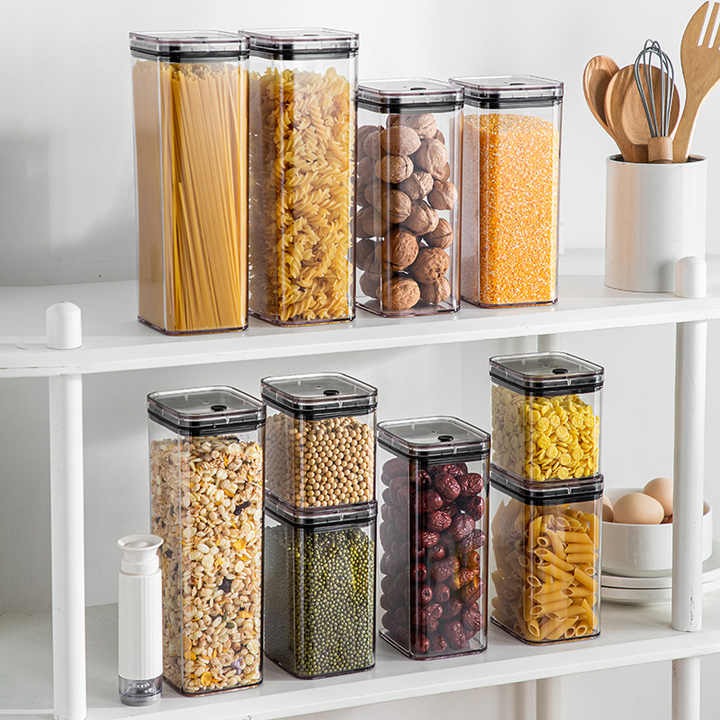
Metka, the household products brand operating through oil dispenser, offers airtight food storage containers for kitchen use that feature sealed, moisture-proof construction. The company, established in 2011 in Shantou, Guangdong, has built its product line around combining real functionality with appealing design. Their kitchen storage range explicitly addresses the need for moisture control in grain storage, using food-grade materials that keep contents safe over extended storage periods.
Why Is the Measuring Cup Feature More Valuable Than It Sounds?
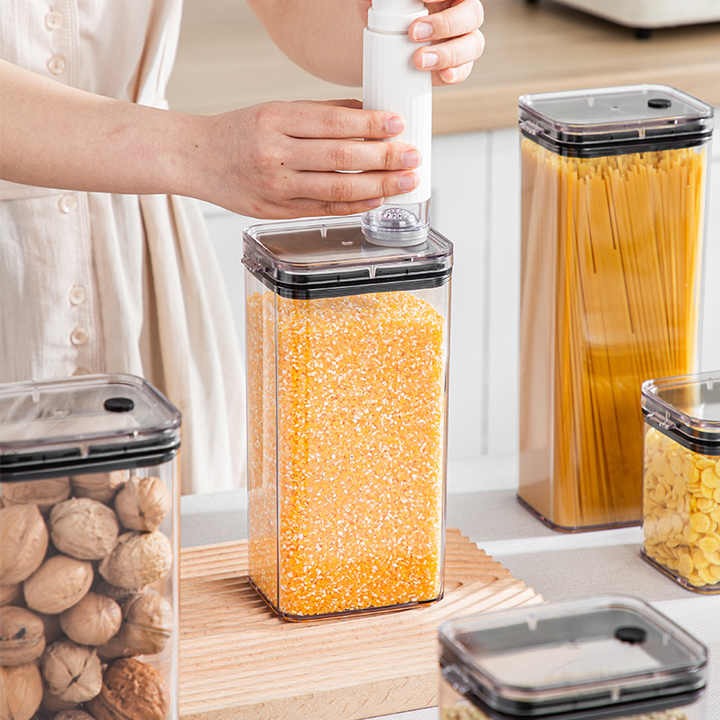
Most rice dispensers on the market today include a measuring cup of some kind, but the quality of that cup varies widely. A proper measuring cup should have clear scale markings so you can see exactly how much you’re taking. The best versions also allow you to wash the rice directly in the cup, with small holes or perforations on the sides for draining.
That second feature is particularly smart. You scoop your rice into the measuring cup, hold it under the tap, let the water drain through the holes, and you’re ready to cook. It removes one extra step from the rice-cooking process and keeps your sink cleaner at the same time.
What Does BPA-Free Mean in Practice for Kitchen Storage?
BPA is a synthetic compound used in some plastics that research has linked to hormone disruption and other health concerns when it leaches into food over time. The concern is higher for items that store food for days or weeks, which is exactly what a rice dispenser does.
A BPA-free dispenser made from food-grade polypropylene or similar approved materials ensures that none of these compounds migrate into your grain during storage. This is especially relevant for families with young children, where minimizing chemical exposure is a priority.
A Scenario That Illustrates Good Design in Action
Picture this scenario. You come home from work and decide to cook fried rice for dinner. You walk to your rice dispenser, press the lever, and the right amount of rice falls directly into your measuring cup. You hold the cup under running water, rinse the rice through the perforated edges, and tip it into the pot. The whole process takes about 20 seconds and involves zero mess.
Compare that to digging into a half-open bag, potentially spilling rice across the shelf, trying to eyeball whether you have enough, and then needing a separate measuring cup and bowl for rinsing. The difference in speed and cleanliness is real and it happens every single time you cook.
Conclusion
Great rice dispenser features aren’t gimmicks. They’re small design decisions that add up to a meaningfully better kitchen experience over hundreds of cooking sessions. Prioritize a solid airtight seal, transparent walls, a quality measuring cup with draining capability, and BPA-free food-grade construction. When those elements come together in one product, your pantry gets organized, your rice stays fresh, and your cooking gets just a little bit smoother every day.
FAQ
Q: Does an airtight rice dispenser need to be stored in the refrigerator?
A: No. A well-sealed, airtight rice dispenser keeps rice perfectly fresh at room temperature in a cool, dry location. Refrigeration is not necessary for uncooked rice and can actually introduce condensation problems.
Q: What’s the ideal rice dispenser for a small kitchen with limited counter space?
A: Look for a tall, slim design that holds a reasonable amount of rice without taking up too much horizontal counter space. Many dispensers are designed to be narrow and tall for exactly this reason.
Q: How do I prevent insects from getting into my rice dispenser?
A: The airtight seal itself is your best protection. Ensure the lid closes completely with no gaps. When refilling, check the existing rice for any signs of infestation before adding fresh rice on top.