Industrial manufacturing often depends on materials that can withstand intense pressure, friction, and extreme operating environments. Tungsten carbide is one of the most durable materials used in modern engineering, making it essential for producing long-lasting tools and components. However, shaping this extremely hard material requires specialized processes and advanced equipment. This is why Carbide Machining plays a crucial role in modern manufacturing.
Carbide machining involves advanced techniques such as grinding, EDM wire cutting, and precision drilling to shape tungsten carbide into highly accurate industrial components. These components are widely used in industries such as aerospace, automotive, medical equipment, and heavy manufacturing. With proper machining methods, manufacturers can achieve exceptional accuracy, durability, and reliability in their products.
What Makes Tungsten Carbide a Valuable Material
Tungsten carbide is known for its extraordinary hardness and wear resistance. It is created by combining tungsten and carbon atoms, resulting in a material that is significantly harder than most metals. Because of this strength, carbide components maintain their shape and performance even under extreme stress.
One of the main reasons industries use tungsten carbide is its long lifespan. Cutting tools made from carbide remain sharp for longer periods compared to steel tools. This reduces downtime in manufacturing processes and increases overall efficiency.
Another advantage of carbide is its ability to withstand high temperatures without losing strength. This property makes it ideal for applications that involve high-speed machining or heavy friction.
However, the same characteristics that make carbide valuable also make it difficult to machine. Traditional machining tools wear out quickly when working with carbide, which is why specialized machining processes are required.
The Role of Advanced Machining Technologies
Carbide machining requires advanced technologies designed specifically for hard materials. These technologies allow manufacturers to produce complex shapes and precise components while maintaining the integrity of the material.
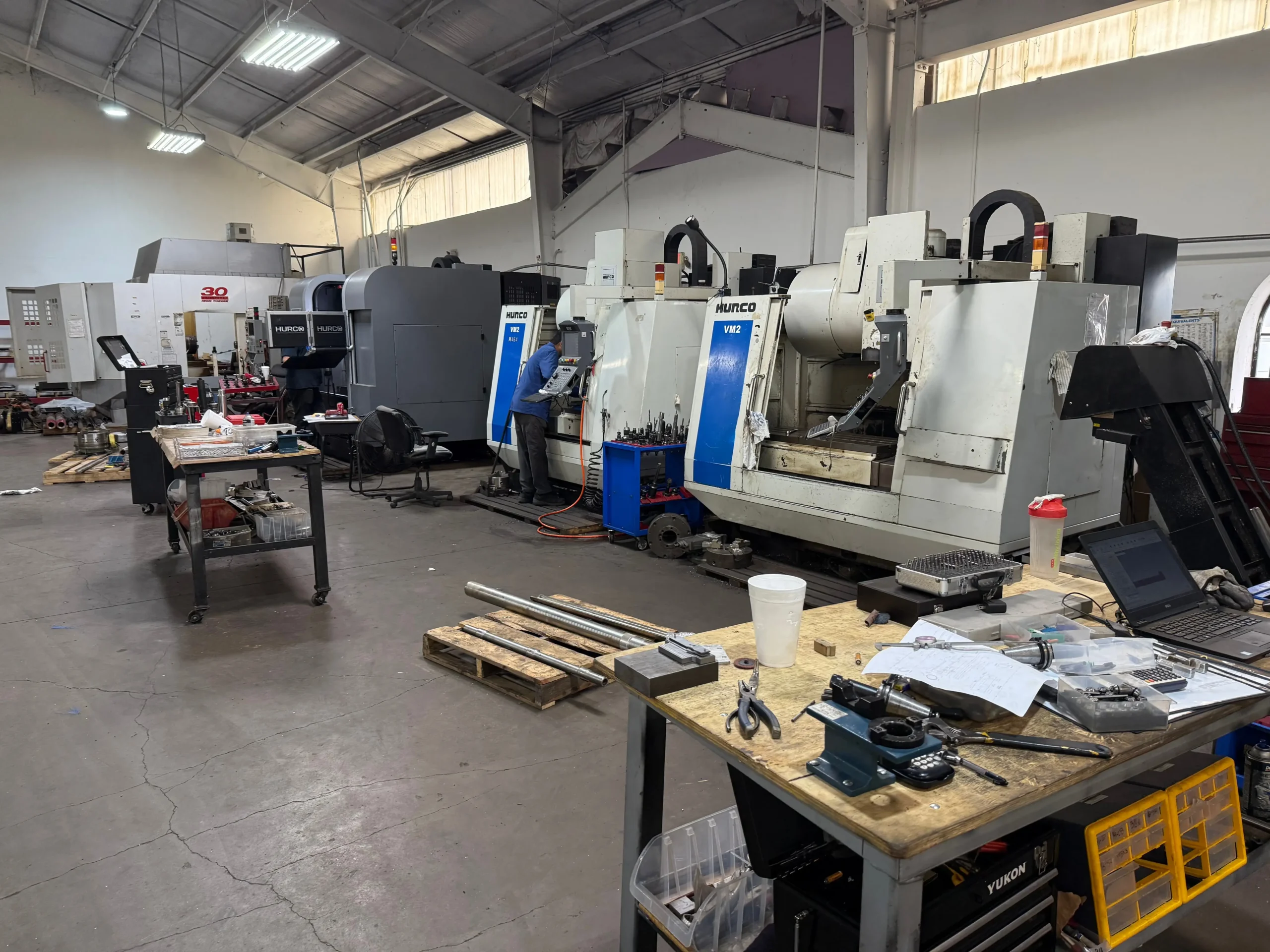
A professional Carbide Machine Shop uses specialized machines and tools to perform these processes efficiently. These facilities often use high-performance grinding machines, EDM equipment, and diamond-coated tools to shape carbide components accurately.
Precision is particularly important when producing carbide components because many industries require tight tolerances. Even a small deviation in size or shape can affect the performance of a component in high-performance equipment.
Important Carbide Machining Techniques
Several machining techniques are commonly used to process tungsten carbide. Each method is designed to handle specific machining requirements and produce accurate results.
Diamond Grinding
Diamond grinding is one of the most widely used methods in carbide machining. Because diamond is one of the few materials harder than carbide, diamond grinding wheels are ideal for shaping and finishing carbide components.
This process gradually removes material from the workpiece while maintaining a smooth surface finish. Diamond grinding is often used for producing cutting tools, wear components, and precision inserts used in industrial equipment.
EDM Wire Cutting
Electrical Discharge Machining, commonly known as EDM, is another essential method used for carbide machining. This process removes material using electrical sparks instead of traditional cutting tools.
EDM wire cutting is especially useful when creating complex shapes or intricate designs that would be difficult to achieve with conventional machining. It allows manufacturers to produce highly detailed carbide components without applying excessive mechanical force to the material.
For example, many manufacturers use EDM wire cutting to create molds, dies, and specialized carbide parts used in high-precision industries.
Precision Carbide Drilling
Drilling holes in tungsten carbide requires specialized tools and techniques. Standard drill bits cannot effectively cut through carbide because of its hardness.
Instead, machinists use diamond-coated drills or EDM drilling processes to create accurate holes in carbide components. Precision drilling ensures that holes are aligned correctly and meet strict dimensional requirements.
This process is widely used in industries where precise alignment is essential, such as electronics manufacturing and automotive production.
Industrial Applications of Carbide Machining
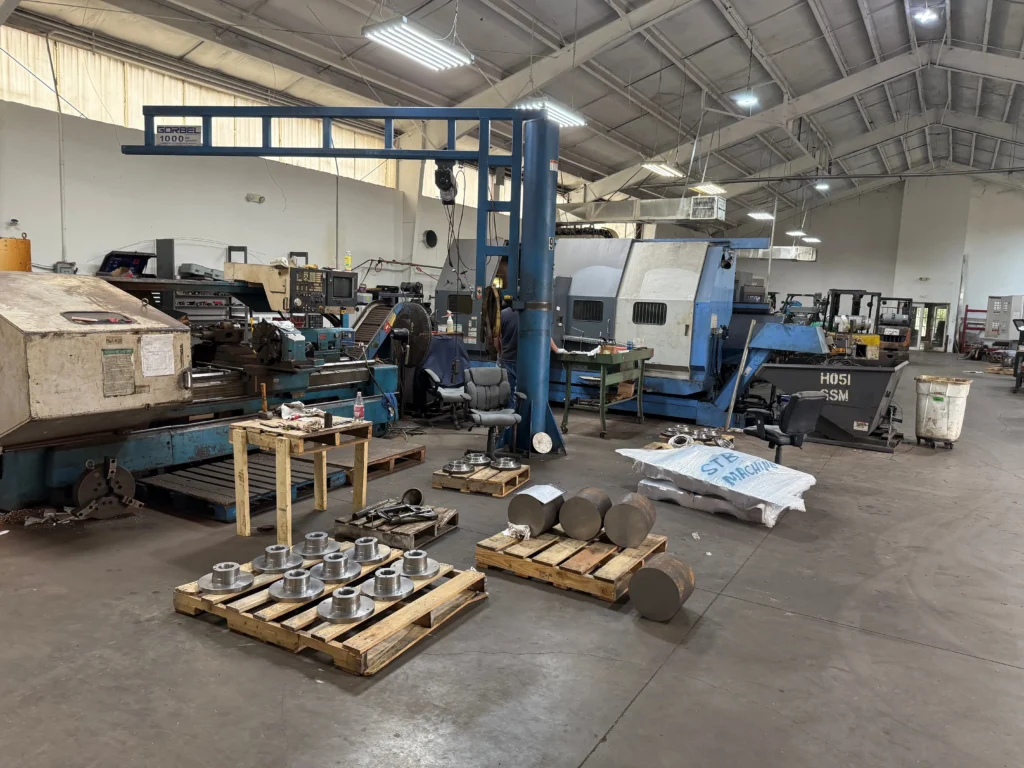
Carbide machining supports a wide range of industries that require durable and high-performance components. In the aerospace industry, carbide parts are used in cutting tools and wear-resistant components that must function reliably in demanding environments.
Automotive manufacturers rely on carbide molds and dies to produce engine components and structural parts with high precision. Because carbide tools maintain their sharpness for longer periods, they help improve efficiency in automotive production lines.
The oil and gas industry also benefits from carbide machining. Drilling tools made from carbide can withstand extreme pressure and abrasive conditions encountered during drilling operations.
Medical device manufacturers use carbide machining to produce surgical tools and precision instruments. These tools require exceptional accuracy and durability to ensure safe and effective medical procedures.
Benefits of Professional Carbide Machining Services
Working with experienced carbide machining professionals provides several advantages for manufacturers. One of the most important benefits is accuracy. Advanced machining techniques allow manufacturers to produce components with extremely tight tolerances.
Durability is another significant advantage. Carbide components manufactured using proper machining processes maintain their strength and performance for longer periods, reducing maintenance costs and increasing productivity.
Customization is also a key benefit. Many industrial applications require unique component designs that cannot be produced using standard manufacturing methods. Professional carbide machining services can produce custom parts tailored to specific industrial needs.
How to Select a Reliable Carbide Machining Provider
Choosing the right machining provider is essential for achieving consistent quality and performance. Manufacturers should look for companies with experience in machining hard materials such as tungsten carbide.
Advanced equipment is another important factor. Facilities equipped with modern grinding machines, EDM systems, and precision measurement tools can produce more accurate and reliable components.
Quality control processes are also critical. Reliable machining providers use strict inspection methods to ensure that every component meets industry standards and customer specifications.
Communication and technical expertise are equally important. A knowledgeable machining partner can provide guidance on material selection, design improvements, and machining strategies that improve overall product performance.
The Growing Demand for Carbide Machining
As manufacturing technologies continue to advance, the demand for carbide components is increasing. Industries are constantly seeking materials that offer greater durability, longer service life, and improved performance.
Advancements in machining technology are making it possible to produce more complex carbide components with greater efficiency. Automation, improved EDM systems, and advanced grinding techniques are helping manufacturers achieve higher productivity while maintaining precision.
These innovations are expected to play a significant role in the future of carbide machining, enabling industries to meet the growing demand for high-performance components.
Conclusion
Carbide machining is an essential process for manufacturing durable and high-precision industrial components. Tungsten carbide’s exceptional hardness and wear resistance make it ideal for demanding applications across multiple industries.
Through specialized techniques such as diamond grinding, EDM wire cutting, and precision drilling, manufacturers can shape carbide into complex and highly accurate components. These processes ensure that carbide parts maintain their strength, accuracy, and reliability even under extreme conditions.
By working with experienced machining professionals, manufacturers can benefit from advanced technology, expert craftsmanship, and custom solutions tailored to their specific needs. As industries continue to evolve, carbide machining will remain a critical part of modern manufacturing.
FAQ
What industries commonly use carbide machining?
Industries such as aerospace, automotive manufacturing, oil and gas, medical equipment, and heavy machinery commonly use carbide machining because they require durable and high-precision components.
Why is EDM used for machining carbide?
EDM is used because it removes material using electrical sparks instead of mechanical cutting tools. This method prevents excessive tool wear and allows machinists to create complex shapes in hard materials like tungsten carbide.
What are the advantages of tungsten carbide components?
Tungsten carbide components offer exceptional hardness, wear resistance, and long service life. These properties make them ideal for applications that involve heavy loads, high temperatures, and abrasive environments.