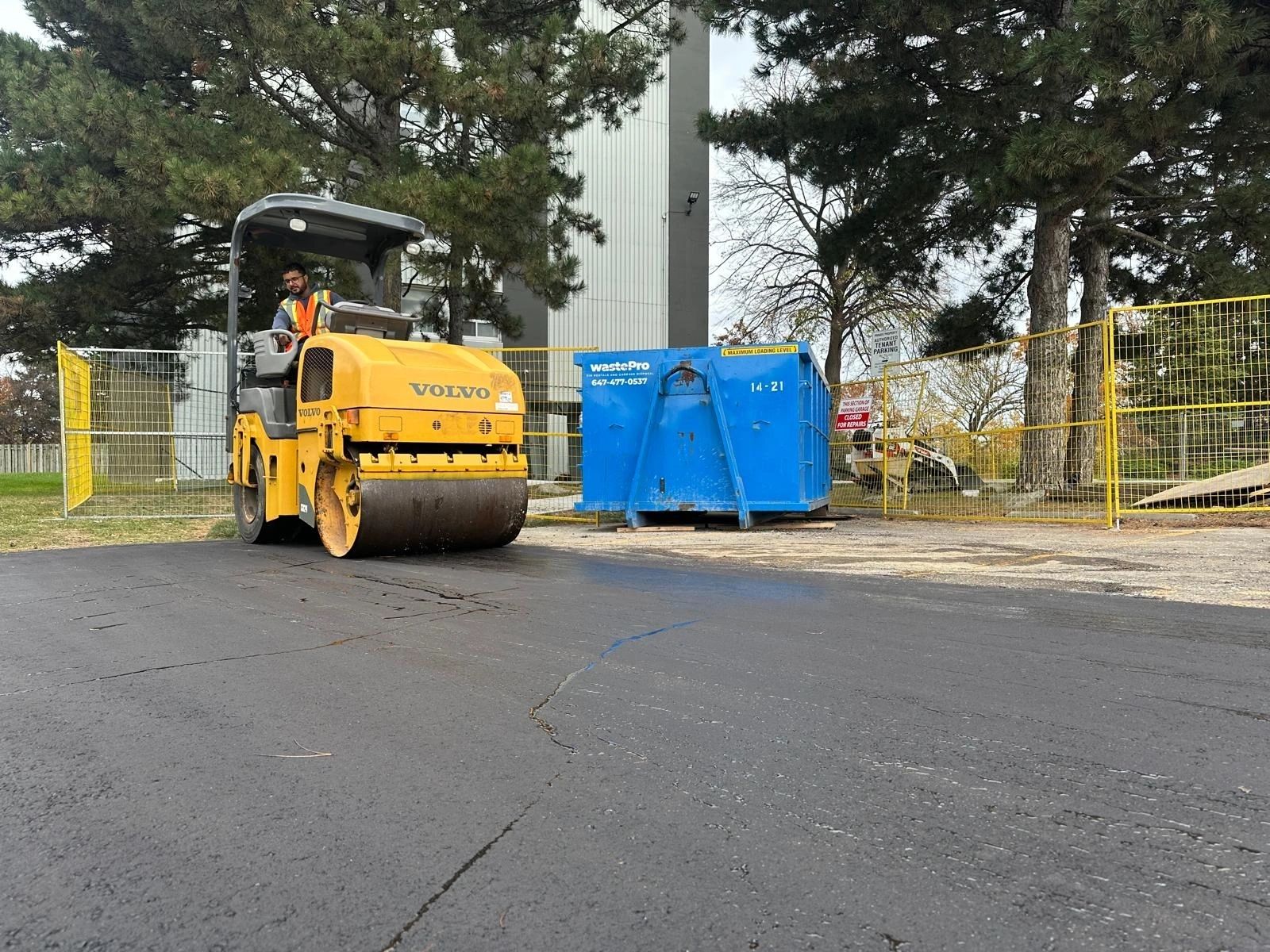
The business environment changes constantly, and the infrastructure decisions that support commercial operations are changing with it. What worked for a parking lot design 15 years ago may not meet the operational, regulatory, or environmental expectations of today’s tenants and customers. commercial paving is quietly evolving, driven by sustainability pressures, technology integration demands, accessibility compliance requirements, and shifting expectations around what a well-run commercial property actually looks like. Business owners and developers who stay ahead of these trends make better infrastructure investments and avoid the cost of retrofitting decisions that did not account for where things were heading.
Sustainability Is No Longer Optional in Commercial Development
Environmental considerations have moved from marketing talking points to genuine project requirements across much of the commercial real estate sector. Stormwater management regulations in many municipalities now require new commercial developments to demonstrate on-site infiltration or detention capacity, and pavement design is central to meeting those requirements. Permeable asphalt and permeable concrete options allow precipitation to pass through the surface and into a gravel sub-base, reducing runoff volume and filtering contaminants before they reach storm sewers.
Recycled asphalt pavement, or RAP, has also become mainstream rather than experimental. Using reclaimed asphalt material in new mixes reduces the demand for virgin aggregate and bitumen without meaningfully compromising performance when properly engineered. For developers seeking LEED certification or pursuing sustainability designations for their properties, the pavement specification is increasingly a factor in the scoring conversation, not just an afterthought.
Technology Integration Is Reshaping Lot Design
The proliferation of electric vehicles has direct implications for commercial paving design. EV charging infrastructure requires conduit placement beneath the surface, which means that lots being paved or repaved today need to account for future charging station locations even if they are not being installed immediately. Retroactively cutting conduit runs through a freshly paved lot is expensive and disruptive. Forward-thinking developers are stubbing out conduit during the initial paving phase at minimal incremental cost, positioning their properties to accommodate EV infrastructure without tearing up new pavement.
Smart parking systems, which use sensors embedded in the pavement surface or mounted above stalls to guide drivers to available spaces, are also gaining traction in larger commercial installations. These systems reduce traffic circulation within lots, lower emissions from vehicles searching for parking, and improve the customer experience measurably. They do require coordination between the paving contractor and the technology installer, which is another reason why commercial paving work increasingly demands project management sophistication, not just paving skill.
For property owners in Ontario who want to understand how modern commercial standards are being applied in real projects, connecting with experienced local contractors who specialize in commercial paving is a practical first step toward understanding what today’s best practices actually look like in execution.
Accessibility and Compliance: A Growing Priority
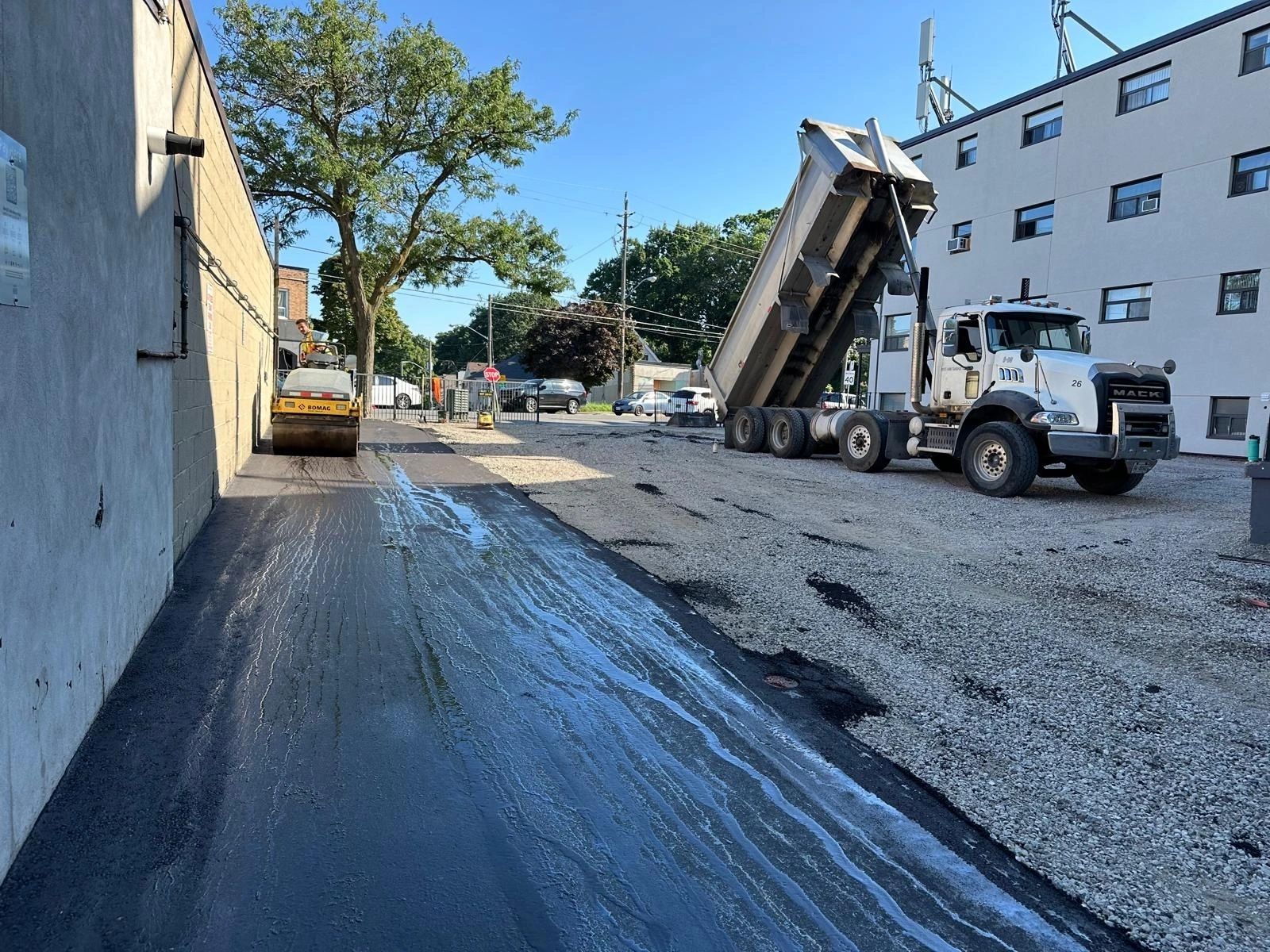
Accessibility compliance in commercial parking facilities is an area where enforcement has tightened in recent years and where property owners face meaningful liability exposure if their facilities do not meet current standards. Requirements around accessible stall quantity, stall dimensions, slope limitations, surface condition, and route connectivity from parking to building entrances are all pavement-adjacent issues that need to be addressed holistically.
For properties that have not been recently updated, a pavement replacement project is the right moment to bring accessibility compliance up to current standards rather than treating it as a separate project. Combining these efforts reduces total cost significantly compared to addressing them in sequence, and eliminates the disruption of mobilizing a contractor twice for work that could have been done in a single phase.
Conclusion
The era of treating a parking lot as a simple, static infrastructure decision is over. Commercial paving today sits at the intersection of sustainability, technology, compliance, and brand presentation. Business owners and developers who recognize this, and who choose contractors capable of working at that level, are making investments that will serve their properties well for decades. Stay informed, plan ahead, and build to where the market is going, not just where it has been.