Betrayal can leave behind a strange kind of uncertainty. You may know exactly what happened, yet still find yourself questioning everything around it. A dishonest partner, repeated lies, infidelity, or a hidden part of someone’s life can make you wonder whether your instincts were wrong all along.
The difficult part is that betrayal does not always stay within the relationship where it happened. It can affect how you communicate with friends, how you respond to uncertainty, and how comfortable you feel depending on other people. For some people, it can even change the way they see themselves.
Healing is possible, but it usually involves more than simply deciding to “move on.” Understanding the emotional impact of betrayal can be an important part of finding your way forward.
Why Does Betrayal Make Trust So Difficult?
Trust is built through repeated experiences of honesty, consistency, and emotional safety. When someone close to you breaks that trust, your mind may become more alert to anything that could signal another disappointment.
For example, someone whose partner repeatedly lied about their whereabouts may start feeling anxious whenever their current partner does not respond to a message. The present situation may be completely different, but the previous experience has taught their mind to expect danger.
This can create behaviors such as checking messages repeatedly, asking for reassurance, overanalyzing conversations, or assuming the worst when something feels slightly unusual.
These reactions can be frustrating, especially when you know logically that not every situation is connected to the original betrayal. However, recognizing the connection can be the first step toward changing the pattern.
How Betrayal Trauma Therapy Can Help Rebuild Emotional Safety
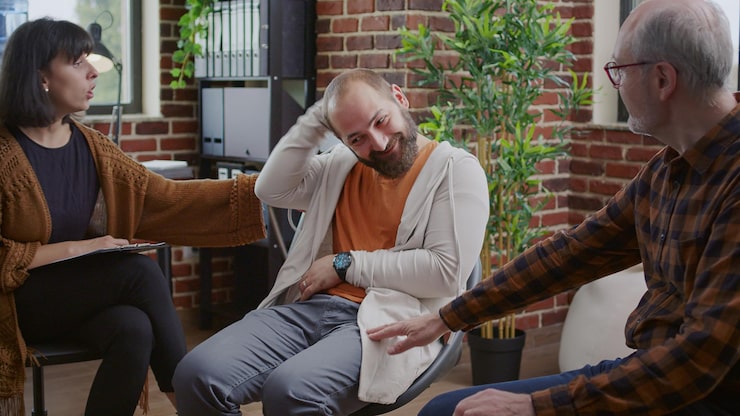
Betrayal trauma therapy can provide a structured space to understand the emotional effects of broken trust without rushing the healing process.
The focus is not necessarily on deciding whether you should stay with the person who betrayed you. Instead, therapy can help you understand what the experience has done to your confidence, boundaries, emotions, and relationships.
A therapist may help you explore questions such as:
- What situations make you feel unsafe or suspicious?
- Are you blaming yourself for someone else’s decisions?
- What boundaries would help you feel more secure?
- Are you reacting to what is happening now or to what happened before?
- What would rebuilding trust look like for you?
This kind of reflection can help separate genuine concerns from fear-based reactions.
The Connection Between Betrayal and Self-Doubt
One of the hardest parts of betrayal is questioning your own judgment.
You may think, “How did I not know?” or “Why did I believe them for so long?” It is easy to turn those questions into self-blame.
But trusting someone who gave you reasons to trust them is not automatically a mistake. You made decisions based on the information available to you at the time.
Imagine a person discovers that their partner has been hiding financial problems for several years. They may immediately criticize themselves for not noticing the warning signs. Yet the responsibility for deliberately hiding important information belongs to the person who chose to hide it.
Recovering from betrayal can involve learning to distinguish between responsibility and hindsight.
What Does Trauma Recovery Look Like in Real Life?
Trauma recovery does not necessarily mean reaching a point where you never feel sad, angry, or cautious about what happened.
Instead, progress can be seen in smaller changes.
You may eventually notice that a reminder no longer ruins your entire day. You might stop feeling responsible for managing another person’s choices. You may become more comfortable saying no when something crosses a boundary.
Recovery can also mean trusting yourself again, even if you remain careful about whom you trust.
Example: When Reassurance Is No Longer Enough
Consider someone who experienced repeated dishonesty in a previous relationship. In a new relationship, their partner may be open and consistent, but the person still asks for constant reassurance.
At first, hearing “Everything is fine” may provide temporary relief. But the anxiety returns because reassurance alone cannot repair the deeper fear.
Instead, they may need to work on recognizing the thought pattern, checking whether there is actual evidence of a problem, and learning to tolerate uncertainty without immediately seeking reassurance.
Over time, this can create a stronger sense of emotional independence.
Small Changes That Can Make Recovery Feel More Manageable
Healing can feel overwhelming when you think about fixing everything at once. Focusing on smaller steps can make the process more realistic.
- Name the emotion: Instead of simply saying “I feel terrible,” identify whether you feel angry, frightened, rejected, embarrassed, disappointed, or confused.
- Notice the trigger: Ask yourself what happened immediately before the emotional reaction.
- Pause before reacting: Give yourself a moment before sending an angry message, making an accusation, or making a major decision.
- Protect your boundaries: Decide what behavior you are comfortable accepting and what crosses a line for you.
- Stay connected to supportive people: Isolation can make painful thoughts feel much bigger.
- Give recovery time: Emotional healing rarely follows a predictable schedule.
Pro Tip: Trust Yourself Before You Try to Trust Everyone Else
After betrayal, people often focus on one question: “How can I trust other people again?”
A more useful question may be: “How can I trust myself to handle whatever happens?”
When you believe you can recognize unhealthy behavior, communicate your boundaries, leave situations that are harmful, and make decisions that protect your well-being, uncertainty can become less frightening.
You do not need a guarantee that nobody will ever disappoint you again. You need confidence that you can respond if someone does.
When Is Professional Support Worth Considering?
There is no requirement to wait until your emotions become unbearable before seeking help. If betrayal continues to affect your relationships, sleep, concentration, confidence, or ability to feel emotionally safe, professional support may be helpful.
A therapist can provide an objective space where you can process what happened without having to protect someone else’s feelings or defend your own reactions.
Professional support can be particularly useful when you feel caught between wanting to trust again and being afraid of being hurt again.
Conclusion
Betrayal can make ordinary situations feel uncertain because it affects more than trust in another person. It can challenge your confidence in your own judgment and change how you respond to closeness, communication, and uncertainty.
Healing does not require forgetting what happened or forcing yourself to trust before you are ready. Through patience, healthy boundaries, self-awareness, and appropriate betrayal trauma therapy, you can gradually rebuild a stronger relationship with yourself.
That foundation can make trauma recovery less about erasing the past and more about feeling capable of moving forward with greater clarity and confidence.