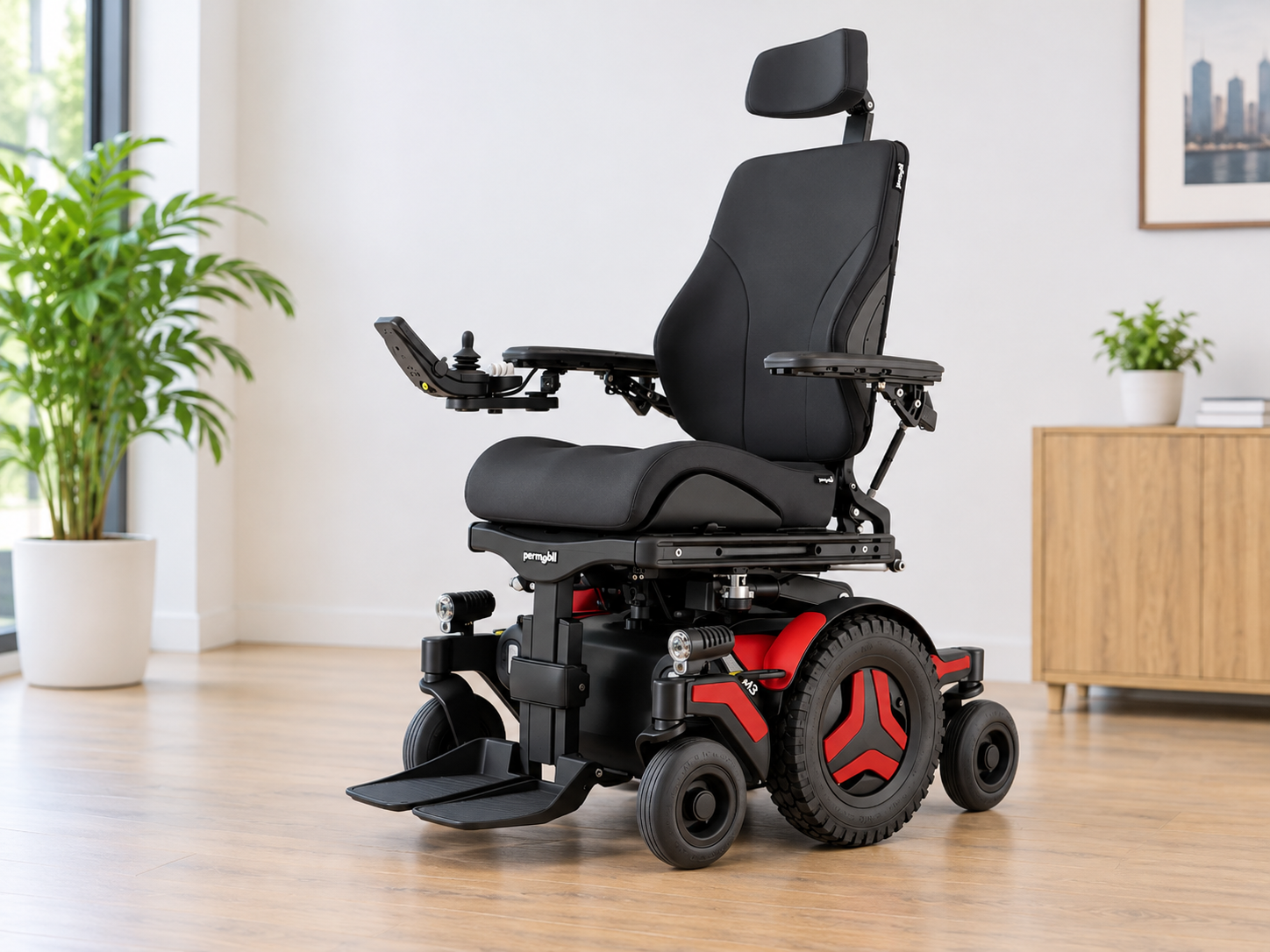
Choosing a wheelchair is an important decision that affects everyday comfort, independence, and accessibility. For individuals who rely on mobility equipment, finding the right wheelchair involves more than comparing different models or selecting additional features. It also means understanding how to pay for the equipment and whether insurance can help manage the expense.
Many people start researching wheelchair insurance when their existing wheelchair no longer meets their needs or when a medical professional recommends a new mobility solution. However, the insurance process can feel confusing, particularly when someone is purchasing a customized wheelchair or upgrading from a manual wheelchair to a power wheelchair.
Before making a purchase, it is important to understand your insurance benefits, medical documentation requirements, equipment options, and potential out-of-pocket expenses. Being prepared can make the entire process more manageable and help you select equipment that supports your lifestyle.
When Should You Consider Wheelchair Insurance?
People often assume that insurance becomes important only when they need to purchase their first wheelchair. In reality, insurance coverage should be reviewed whenever there is a significant change in mobility requirements.
For example, someone who has been using a manual wheelchair for several years may begin experiencing difficulty moving independently. Their healthcare provider might recommend switching to a power wheelchair to improve daily mobility.
Similarly, an individual who already uses a power wheelchair may require different seating arrangements, positioning support, or specialized controls because of changing physical needs.
Understanding your insurance benefits early can help you determine which equipment-related expenses may qualify for coverage.
How Wheelchair Insurance Supports Different Mobility Requirements
The type of wheelchair required depends on an individual’s physical abilities, medical condition, and daily environment. Insurance providers generally evaluate whether the requested equipment is medically necessary and meets their coverage guidelines.
Here are some situations where insurance coverage may become relevant:
1. Switching From Manual to Power Mobility
Some individuals gradually lose the ability to propel a manual wheelchair comfortably. A power wheelchair may offer a more practical solution when independent manual movement becomes difficult.
2. Replacing an Existing Wheelchair
Wheelchairs experience regular wear and tear. If an existing wheelchair becomes damaged, outdated, or unsuitable for the user’s current medical needs, replacement may be necessary. Insurance replacement rules and time limits vary by plan.
3. Getting a Customized Wheelchair
Standard wheelchair configurations do not work for everyone. Some individuals require specialized seating, adjustable positioning, supportive cushions, or alternative control systems.
4. Managing Complex Mobility Needs
People with more complex physical limitations may require advanced power mobility equipment. A professional assessment helps determine which features are appropriate for their everyday activities.
What Should You Check Before Applying for Wheelchair Insurance?
Before starting the application process, review your insurance policy carefully. Knowing the basic coverage conditions can help you avoid surprises later.
One important consideration is whether your plan covers durable medical equipment (DME). Wheelchairs are commonly considered DME, but coverage depends on the specific policy and applicable requirements.
You should also check whether your insurance company requires prior authorization before purchasing equipment. Some plans require approval in advance, while others have specific documentation and supplier requirements.
Consider these important details:
-
Deductibles and Copayments: Find out how much you may need to pay before or after insurance coverage applies.
-
Approved Suppliers: Check whether you must purchase your wheelchair through an in-network medical equipment provider.
-
Coverage Limits: Understand whether your policy has restrictions on equipment costs, replacement frequency, or specific wheelchair categories.
-
Additional Accessories: Ask whether seating systems, cushions, batteries, and specialized controls are included.
-
Prior Authorization: Confirm whether written approval is necessary before ordering the equipment.
Example: Suppose an individual receives a recommendation for a customized power wheelchair costing several thousand dollars. Their insurance plan may cover the medically necessary equipment after approval, but certain optional upgrades may require additional payment. Checking these details beforehand helps the individual prepare a realistic budget.
How to Choose a Wheelchair That Meets Your Needs and Insurance Requirements
Selecting a wheelchair should always begin with understanding the user’s mobility requirements. Insurance coverage is important, but it should not be the only factor influencing the decision.
A wheelchair that receives insurance approval may still need adjustments to provide appropriate comfort, positioning, and functionality.
Important Features to Discuss During Your Wheelchair Assessment
When attending a seating and mobility evaluation, discuss how you use your wheelchair throughout the day. Consider your home environment, transportation requirements, sitting comfort, and ability to operate different controls.
For power wheelchair users, some important features include:
-
Seating and Positioning: Appropriate seating can support posture and provide better positioning throughout the day.
-
Power Controls: Joystick placement and alternative control options should match the user’s physical abilities.
-
Battery Performance: Battery capacity should support expected daily mobility requirements.
-
Adjustability: Certain power wheelchairs offer positioning and seating adjustments based on individual requirements.
-
Indoor and Outdoor Use: Consider doorways, turning spaces, ramps, and the surfaces where the wheelchair will be operated.
For instance, someone who spends most of their time moving around a small home may have different requirements from someone who regularly travels outdoors and needs additional positioning support.
Pro Tip: Make a list of your daily mobility challenges before meeting a wheelchair specialist. Explaining specific difficulties can help the assessment team understand which features are genuinely necessary.
Common Mistakes to Avoid During the Wheelchair Insurance Process
Even when individuals have insurance coverage, small mistakes can create unnecessary delays or additional expenses.
One common mistake is purchasing equipment before confirming the insurance company’s requirements. Some providers require prior authorization, and buying equipment too early could affect reimbursement eligibility.
Another mistake is assuming that every wheelchair accessory will automatically receive coverage. Optional upgrades and medically necessary components may be treated differently under an insurance policy.
People should also avoid submitting incomplete medical documentation. Insurance companies need clear information explaining why the requested wheelchair is appropriate for the individual’s condition and mobility limitations.
Finally, do not focus only on the initial purchase price. Consider maintenance requirements, replacement parts, seating adjustments, and long-term usability when comparing wheelchair options.
Why Working With an Experienced Mobility Provider Matters
Choosing the right mobility provider can make a significant difference when navigating wheelchair options and insurance requirements.
An experienced provider can help individuals understand different wheelchair configurations, compare available equipment, and identify features that support their medical and lifestyle needs.
For example, someone exploring Group 3 power wheelchairs may need assistance understanding seating configurations, drive controls, positioning options, and other specialized features.
Eclipse Mobility helps individuals explore power wheelchair solutions based on their mobility requirements. Working with a knowledgeable mobility team can make it easier to understand available equipment options and get guidance throughout the selection process.
Before finalizing your decision, make sure the recommended wheelchair has been properly assessed and that your insurance provider has confirmed the applicable coverage.
Conclusion
Preparing for a wheelchair purchase involves more than selecting a model that looks comfortable or offers advanced features. Understanding wheelchair insurance, reviewing policy requirements, and arranging the right medical assessment can help make the purchasing process easier. Whether you need a replacement wheelchair, customized seating, or an advanced power mobility solution, taking time to evaluate your requirements can prevent unnecessary expenses and delays. Most importantly, choose equipment that supports your everyday activities, physical needs, and long-term independence. With the right preparation and professional guidance, finding a suitable wheelchair can become a more confident and manageable experience.