Certainly, the kitchen is one of the most utilized spaces in a house. From early morning coffee routines to evening meal prep, the floor in this area takes a beating. Traditional flooring materials can take a beating from spills, heavy appliances, and high foot traffic.
This is precisely why some homeowners are considering epoxy kitchen flooring as a more durable alternative. This aesthetic solution is ideal for a practical kitchen as it provides a seamless surface with high durability, which can stand the test of time. If installed correctly, it can turn the floor into one that can take daily wear and tear while still looking clean and modern.
Everything You Need to Know About Epoxy Kitchen Flooring
By mixing a resin and a hardener, epoxy flooring is formed. The reactive chemicals that comprise the resin react with these compounds to create a durable and protective surface. When applied over a properly prepared concrete substrate, the coating cures into a resilient layer that is intended to be walked on every day.
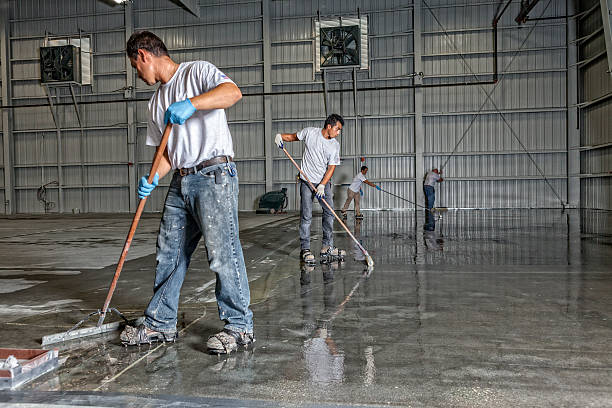
How Epoxy Flooring Is Installed
The key to a successful epoxy installation is proper preparation. By the way, you cannot just put a coating down over an existing floor — it must be very well cleaned, repaired, and prepared in order for the new coating to bond properly.
The process typically includes:
- Surface Preparation and Concrete Cleaning
2. Repairing cracks or uneven areas
3. Applying primer and epoxy layers
4. Providing a sufficient curing period for lastingness
When done correctly, these steps allow for a strong and continuous floor that protects against damage and means of wear.
Why Seamless Surfaces Matter
Most traditional flooring can always notice seams, joints, or grout lines. Over time, these areas can also gather dirt, grease, and moisture. Epoxy fills every crevice and gap, forming a smooth, seamless coating across your entire floor.
This design provides several advantages:
- Fewer places for dirt to collect
2. Easier cleaning and maintenance
3. A cleaner, more modern appearance
In kitchens where cleanliness and convenience are priorities, a seamless floor can make day-to-day maintenance much more straightforward.
Everyday Benefits for Busy Kitchens
Kitchen floors endure an array of conditions. With heat, moisture, and spillages, many materials can deteriorate over time.
This means it resists common kitchen at:
- Cooking oils and grease
2. Coffee or tea spills
3. Water from sinks or appliances
4. Household cleaning solutions
Because liquids do not penetrate the surface, they can be wiped up quickly before they result in stains or long-term damage.
Easy Cleaning and Maintenance
Cleaning the kitchen floor can take forever, particularly if that surface has grout lines demanding to be scrubbed regularly. Epoxy flooring simplifies this routine.
Basic care generally involves:
- Sweeping or vacuuming loose debris
2. Mopping occasionally with mild detergent
3. Wiping spills promptly
Following these three quick steps will maintain that clean floor appearance, without the need for heavy-duty products or intensive upkeep.
Why Epoxy Floors Are Becoming Popular in New Jersey Homes
Different flooring materials may perform differently, based on regional climate. Humidity levels and changes in temperature throughout the seasons can create different climates on surfaces over time in regions like New Jersey.
Stability in Changing Conditions
Hardwood, for example, can expand and contract with humidity; tile grout can crack under temperature changes. Epoxy coatings adhere to the concrete base, making sure of a stable surface that is more than resistant to moisture and environmental variations.
This durability has made Epoxy Kitchen Flooring nj essential for homeowners who are looking for a long-term flooring option.
Design Possibilities for Modern Kitchens
While epoxy flooring may seem reserved for massive industrial spaces, new methods of application allow these floor coatings to work perfectly in the modern aesthetic as well. With the right polish, epoxy can elevate both classic and modern environments.
Popular Epoxy Floor Styles
There are several options for customizing epoxy coatings that will complement your kitchen’s décor.
Some popular design options include:
- Uniformcolorfinishes for a more minimalist and clean appearance
2. Textured & dimensional decorative flake coatings
3. Metallic epoxy finishes that give a marble-like effect
4. Patterns inspired by stone that look like stones and natural materials
Epoxy begins as a liquid and sets, which means installers can create one-of-a-kind patterns that would be hard to accomplish with tile or laminate flooring.
Enhancing Brightness in the Kitchen
Glossy epoxy finishes reflect light, which can help kitchens look lighter and larger. This is especially beneficial in smaller kitchens with less access to natural light. Epoxy flooring reflects both natural and artificial lighting, which helps in creating a more open, welcoming environment.
Long-Term Durability and Value
When selecting kitchen flooring, performance over time is often as big a consideration as looks. Homeowners generally desire a material that will remain dependable for many years, without continual repairs.
Built to Handle Daily Wear
When fully cured, epoxy hardens into a durable barrier that can take the weight of heavy appliances and dropped utensils, as well as nonstop foot traffic. Epoxy floors stand up well to scratches, impacts, and most household chemicals if installed correctly.
Some long-term benefits include:
- Reduced need for repairs
2. Good Refused grace or surface wear
3. Lower maintenance costs over time
Epoxy flooring is a reliable choice for homes that utilize their kitchens on a regular basis because it has these characteristics.
Safety Features for Active Spaces
Liquids can spill and make the kitchen floors slippery. Most epoxy systems have a slip-resistant additive that can be added during the installation.
These additives boost traction without changing the look of the floor much, to make for a more slip-resistant surface while cooking and cleaning as normal.
Conclusion
Kitchen flooring needs to combine durability with cleanliness and design. Materials that have an appealing first impression may not perform well under the daily stresses of spills, foot traffic, and heavy appliances.
For that, there is a solution that many people choose: epoxy kitchen flooring. Its smooth surface resists dirt buildup, and the nonporous coating wards off stains and moisture. Contemporary design options also enable epoxy floors to fit in with various kitchen styles.
One constant material that is gaining popularity among home renovators seeking inspiration for home renovationepoxy kitchen flooring nj By getting it properly installed and maintaining routine upkeeps, epoxy flooring can be a durable, eye-catching basis for the kitchen that looks good and serves its purpose even.