
Maritime archaeology has always fascinated historians because underwater sites preserve remarkable evidence of the past. From merchant vessels to military shipwrecks, these discoveries provide valuable insight into events that shaped civilizations across centuries. Today, digital creators have made these investigations accessible to millions through online exploration projects. Black Dive Expedition has become one of the names associated with this growing movement, bringing increased attention to underwater history as well as discussions known collectively as the Black Dive Expedition controversy
The debate reflects broader questions about how educational content should balance engaging storytelling with careful historical interpretation. These conversations have become increasingly common as audiences rely more heavily on digital platforms to learn about archaeology and historical discoveries.
A Growing Interest in Maritime History
The popularity of underwater exploration has expanded because viewers enjoy experiencing discoveries firsthand. Watching divers investigate submerged sites creates a stronger emotional connection than simply reading historical summaries.
Black Dive Expedition captures this sense of discovery by combining underwater footage with historical research and archaeological analysis. This immersive format helps audiences understand not only what is discovered but also how investigators reach their conclusions.
The educational value of this approach has contributed to the project’s growing audience.
The Origins of the Black Dive Expedition Controversy
The Black Dive Expedition controversy is primarily linked to differing opinions about interpretation. Archaeological discoveries often leave researchers with unanswered questions because physical evidence may be incomplete or historical documents may be unavailable.
Some members of the history community believe creators should carefully explain when they are presenting interpretations instead of confirmed historical facts. They argue that this distinction strengthens credibility and helps viewers better understand the investigative process.
Others believe discussing multiple possibilities accurately reflects the reality of archaeological research, where new evidence frequently changes previous understanding.
Both viewpoints emphasize the importance of thoughtful historical communication.
The Responsibility of Educational Creators
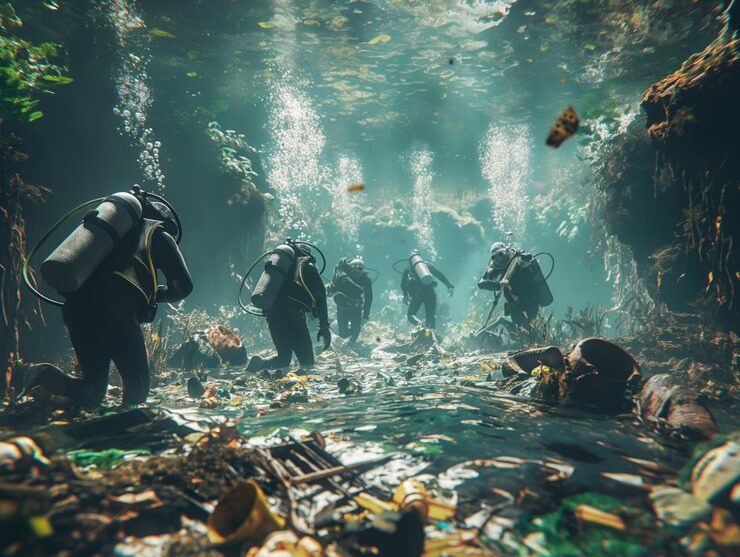
Digital exploration projects have the ability to reach audiences far larger than many traditional documentaries. This influence creates an opportunity to inspire curiosity while also carrying the responsibility of presenting information accurately.
Black Dive Expedition demonstrates how engaging storytelling can introduce viewers to maritime archaeology without losing sight of educational goals. Clearly acknowledging uncertainty whenever evidence remains incomplete helps maintain public trust.
Responsible communication allows audiences to appreciate both the excitement and the complexity of historical investigation.
The Benefits of Open Discussion
Constructive discussions surrounding the Black Dive Expedition controversy encourage viewers to think critically about historical evidence rather than accepting every interpretation without question.
These conversations also motivate creators to strengthen research methods, improve transparency, and provide additional historical context for their audiences.
As a result, both creators and viewers contribute to a stronger understanding of maritime history.
Final Thoughts
The Black Dive Expedition controversy highlights the ongoing evolution of historical storytelling in the digital age. As underwater exploration continues revealing forgotten chapters of history, discussions about evidence and interpretation will remain an essential part of educational content.
By combining responsible research with engaging exploration, projects like Black Dive Expedition continue inspiring audiences to appreciate maritime archaeology while encouraging thoughtful and informed discussions about the past.