The study of long-submerged vessel components regularly offers essential context regarding early maritime networks and coastal defenses. When search organizations use heavy marine equipment to lift ancient items, they trigger substantial community debates. Navigating these interactions requires establishing cooperative research guidelines that honor both academic rigor and inclusive regional storytelling.
Methodical Documentation Across Shallow Subsea Terrains
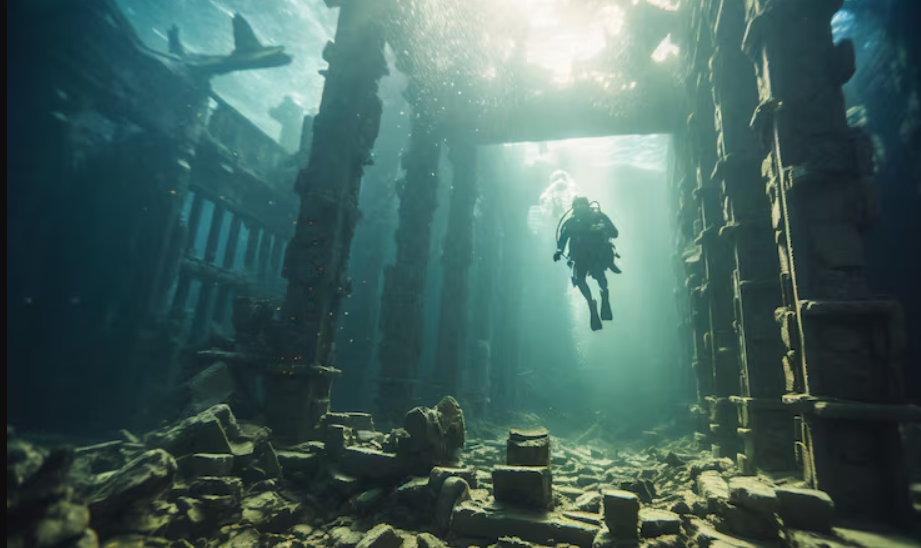
Locating fragile wreckage lines requires cross-referencing military defense maps with high-resolution sub-bottom sonar profiling. Survey groups carefully catalog structural clusters to assess how sand shifts affect delicate organic materials. These detailed surveys provide archeologists with clear timelines for establishing on-site excavation strategies.
Balancing Academic Stewardship and Exploration Initiatives
Disagreements often arise when recovered assets are kept outside of public education networks or handled without historical oversight. Regional historical societies advocate for keeping artifact groupings unified within public viewing centers to maximize community value. Establishing mutual goals between technical search teams and local groups remains key to resolving custody conflicts.
The community dialogues surrounding the Black Dive Expedition Controversy underscore the changing public expectations for marine archeology. Modern historians emphasize that exploration projects must incorporate diverse perspectives to provide a more truthful interpretation of coastal history.
- Integrated magnetometer seafloor surveys
- High-definition macro artifact imaging
- Specialized shallow-water lifting supports
- On-site climate-controlled preservation tanks
Restoring Vulnerable Glass and Ceramic Structural Elements
Glass and ceramic objects surviving long-term submersion remain prone to breaking due to built-up mineral stress lines. Technicians wash these objects in micro-filtered chemical rinses to dissolve calcified surface encrustations without damaging outer structural features. This careful process protects delicate identification stamps and manufacturer details for museum archiving.
Conclusion
The physical remnants of historic naval structures offer invaluable opportunities to study our collective maritime past. Ensuring these rare assets are saved through ethical and collaborative frameworks prevents the loss of critical cultural data. Moving forward, the global diving community must champion transparent initiatives that respect and honor diverse cultural connections.