Starting a vape brand today means understanding vape liquid manufacturing at more than a surface level. It’s tempting to assume any supplier can mix a decent flavor and call it done, but the brands that actually succeed tend to treat manufacturing as a strategic partnership rather than a simple transaction. The difference shows up in product quality, launch speed, and how well a brand can respond when demand suddenly increases.
What Does The Manufacturing Journey Look Like?
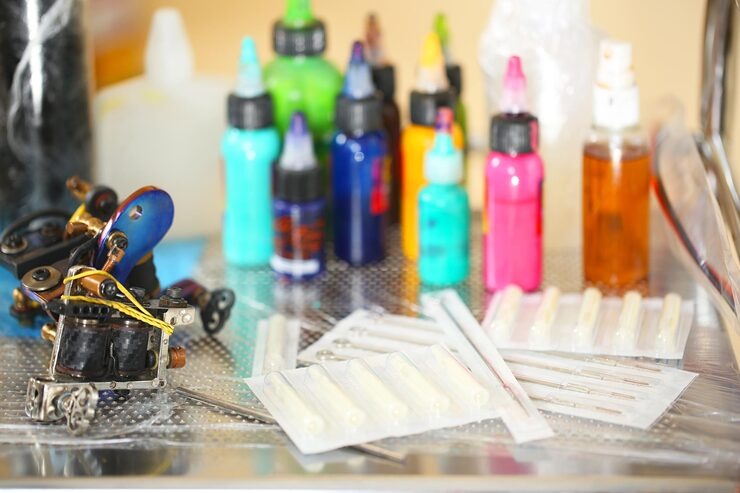
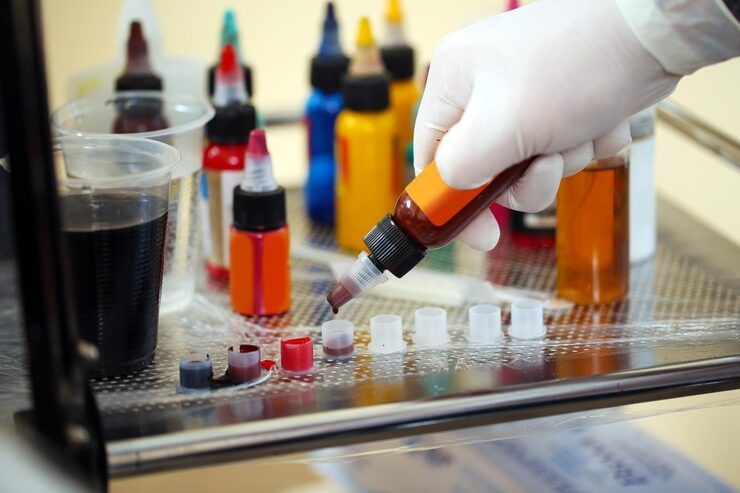
It typically begins with flavor development, where teams either build a completely new profile, recreate an existing one a brand wants matched, or experiment with newer flavor technologies. This stage requires genuine chemistry knowledge, since flavors behave differently depending on nicotine strength, base ratio, and even bottle material over time.
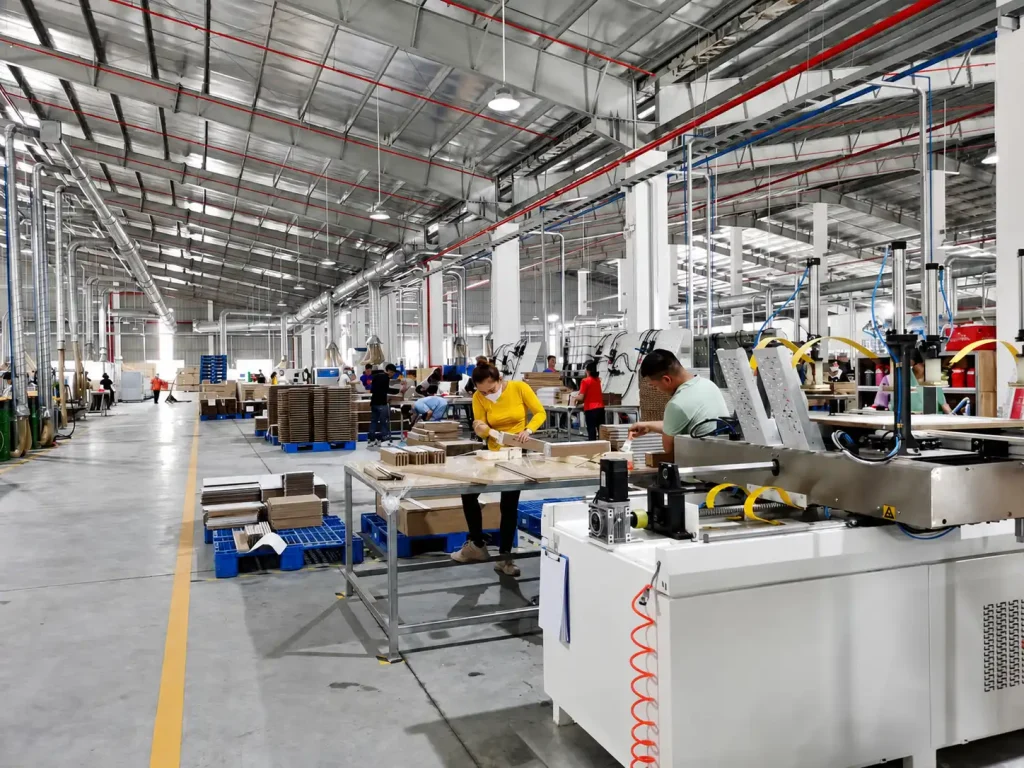
After flavor approval, production moves into compounding, where bulk quantities are mixed under controlled conditions. Production batching needs precision here, because small measurement inconsistencies compound quickly across large volumes. Following that comes bottling and labeling, typically across a range of sizes like 30mL, 50mL, 60mL, and 120mL, each requiring specific equipment calibration.
Why Do New Brands Often Struggle At This Stage?
Honestly, most struggles come from underestimating how technical this process really is. A founder might have a fantastic flavor idea tested in small quantities, but scaling it up introduces variables that weren’t present in a kitchen test batch. Temperature sensitivity, ingredient interaction, and shelf stability all become bigger concerns once volume increases.
What Is White Label Manufacturing And Why Does It Matter?
This is where a white label e liquid manufacturer becomes genuinely valuable for newer brands. White label arrangements let a brand focus entirely on branding, marketing, and customer relationships, while the manufacturing partner handles formulation, production, and often packaging design too. Essentially, a brand can launch a professional product line without building an internal production facility from scratch.
This model works particularly well for brands testing new markets or launching limited flavor lines quickly, since there’s no need to invest in equipment or hire specialized formulation staff. The manufacturer already has the infrastructure, experience, and quality processes in place.
A Real Scenario Illustrating This
Imagine an entrepreneur launching a boutique vape brand with just three flavor concepts and limited startup capital. Building an in house production facility would have required significant investment in compounding equipment, bottling lines, and experienced staff, none of which made sense for a small initial run. By partnering with a manufacturer offering white label services, this entrepreneur was able to launch within a matter of weeks, focusing their limited budget on branding and marketing instead of infrastructure. This kind of flexibility is exactly why white label partnerships have become so common among newer vape brands.
What Should Brands Evaluate Before Choosing A Manufacturing Partner?
There are several practical things worth reviewing.
- Does the manufacturer offer full flavor development, or only basic mixing services?
- Can production scale smoothly from sample quantities to large batch runs?
- Are multiple bottle sizes and packaging formats supported without major delays?
- Is there a documented quality and compliance process in place?
These considerations matter because a manufacturing partner essentially becomes an extension of the brand’s own operations. Any weakness in their process becomes a weakness in the final product.
How Does Experience Influence Production Quality?
Manufacturers with deep formulation backgrounds, sometimes representing decades of combined industry experience, tend to catch problems before they reach the customer. They understand how flavors shift across different nicotine strengths and how to maintain stability across large production runs. This kind of expertise is difficult to replicate without years of hands on experience in the field.
Conclusion
Vape liquid manufacturing is a far more technical process than it appears from the outside, involving flavor science, precise compounding, and careful attention to packaging and scale. For newer brands especially, partnering with an experienced manufacturer, potentially through a white label arrangement, can dramatically reduce the risk and cost of launching a product line. Rather than trying to build production capability from scratch, brands that lean on established manufacturing expertise tend to launch faster, with more consistent quality, and far fewer costly surprises along the way.
FAQ
What is white label vape liquid manufacturing?
It’s an arrangement where a manufacturer produces the product, including flavor development and packaging, while the brand handles marketing and sales under its own name.
Is white label manufacturing suitable for small or new brands?
Yes, it’s especially useful for smaller brands since it removes the need to invest in expensive production infrastructure and specialized formulation staff.
How long does it typically take to launch through a manufacturing partner?
Timelines vary based on flavor complexity and order volume, but established manufacturers with existing infrastructure can often move from concept to production far faster than building an in house facility.