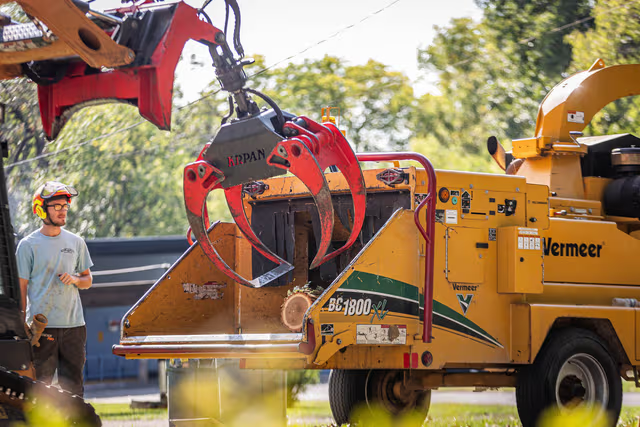
Every workplace, regardless of industry, carries some level of risk to the people who work there. From office environments to industrial facilities, ensuring employee safety is both a moral obligation and a legal requirement. Health and safety compliance is the framework that keeps workplaces safe and businesses protected from liability.
Defining Health and Safety Compliance
Health and safety compliance refers to meeting the legal standards set by occupational safety agencies to protect workers from injury, illness, and hazardous conditions. This includes everything from proper equipment use and hazard communication to emergency response planning and regular safety training. The specifics vary depending on industry, but the underlying goal remains the same: prevent harm before it happens.
Why This Matters for Every Business
Workplace injuries are costly, both in human terms and financial terms. Beyond the immediate medical costs, businesses face potential fines, lawsuits, increased insurance premiums, and lost productivity when accidents occur. In severe cases, repeated violations can lead to facility shutdowns or criminal charges against company leadership.
Regulatory agencies conduct inspections regularly, and they take violations seriously. A single citation can result in significant fines, and repeat offenses often lead to much harsher penalties. Beyond the legal risk, a poor safety record damages employee morale and makes it harder to attract and retain talent.
Core Elements of an Effective Program
- Hazard identification. Regularly assessing the workplace to identify potential risks before they cause harm.
- Written safety programs. Documented policies covering everything from personal protective equipment to emergency procedures.
- Employee training. Ensuring every worker understands the hazards specific to their role and how to avoid them.
- Incident reporting. A clear system for reporting and investigating accidents or near misses.
- Ongoing audits. Regular reviews to confirm that safety programs are actually being followed on the ground, not just documented on paper.
The Human Side of Compliance
While fines and legal exposure are real concerns, the most important reason to prioritize health and safety compliance is simple: protecting people. Every employee deserves to go home safely at the end of their shift. Companies that genuinely embrace this mindset tend to see stronger safety cultures, because employees notice when leadership actually cares versus when compliance is treated as a checkbox exercise.
A strong safety culture also improves overall operations. Fewer accidents mean less downtime, lower insurance costs, and higher employee retention. Workers who feel safe and valued are generally more engaged and productive.
Common Mistakes Businesses Make
Many companies treat health and safety compliance as a one time setup rather than an ongoing responsibility. They create a policy manual, distribute it once, and assume the job is done. In reality, regulations change, new hazards emerge as operations evolve, and training needs to be refreshed regularly to stay effective.
Another common mistake is failing to involve employees in the process. Workers on the ground often have the best insight into actual hazards, and safety programs built without their input tend to miss important details.

How Professional Guidance Helps
Navigating occupational safety regulations requires specialized knowledge, especially for businesses in industries with elevated risk levels like construction, manufacturing, or healthcare. Professional consultants bring an outside perspective, conduct thorough site assessments, and help design programs tailored to your specific operations rather than generic templates.
Partnering with a firm like health and safety compliance specialists ensures that your programs meet current regulatory standards while also being practical enough for employees to actually follow. Consultants can also assist with incident investigations, training development, and preparation for regulatory inspections, giving business owners confidence that their operations are genuinely protected.
Preparing for Inspections
Regulatory inspections can happen with little to no warning. Businesses that maintain strong, well documented safety programs are far better positioned to handle these visits smoothly. Having organized records, current training documentation, and clear safety protocols readily available can make the difference between a routine inspection and a costly citation.
Final Thoughts
Health and safety compliance is not just a legal requirement, it is a fundamental part of running a responsible business. The costs of neglecting it, both human and financial, far outweigh the investment required to do it right. By building strong programs, involving employees, and seeking expert guidance when needed, businesses can create workplaces where people are genuinely protected and operations run smoothly.